
Butter has been a staple in kitchens for centuries, adding flavor, texture, and richness to everything from baked goods to savory dishes. However, in recent decades, butter has come under scrutiny due to its high saturated fat content and potential link to heart disease. But is butter truly as bad for you as some people claim? And if so, what are some healthier alternatives? Let’s take a closer look.
The Debate: Is Butter Really Bad for You?
The debate over whether butter is bad for your health boils down to its nutrient profile, particularly its fat content. Butter is made from cream, and like other animal-based fats, it’s high in saturated fats. For years, health experts have cautioned against consuming too much saturated fat because it’s believed to raise levels of LDL (low-density lipoprotein), or “bad” cholesterol, which can increase the risk of heart disease and stroke.
However, more recent research is beginning to paint a more nuanced picture:
- Saturated Fat and Heart Disease: The relationship between saturated fat and heart disease is complex. Some studies have shown that saturated fat intake may not be as harmful as once thought, and other factors like sugar consumption, overall diet quality, and genetics may play a larger role in heart disease risk.
- Butter and Nutrient Profile: While butter is high in saturated fat, it also contains beneficial nutrients like vitamin A, vitamin K2, and butyrate—a short-chain fatty acid that may support gut health and reduce inflammation. It also provides a rich source of conjugated linoleic acid (CLA), which has been linked to various health benefits, such as improved fat metabolism.
- Moderation Is Key: Experts generally agree that butter isn’t inherently bad for you, but moderation is important. Consuming large amounts of butter regularly—especially in the context of a diet that is also high in processed foods and refined sugars—could still contribute to negative health outcomes. However, a small amount of butter in the context of a balanced, nutrient-rich diet may not pose a significant risk for most people.
Healthier Butter Alternatives
If you’re concerned about butter’s saturated fat content or simply want to try something different, there are several butter alternatives available, each with its own health benefits.
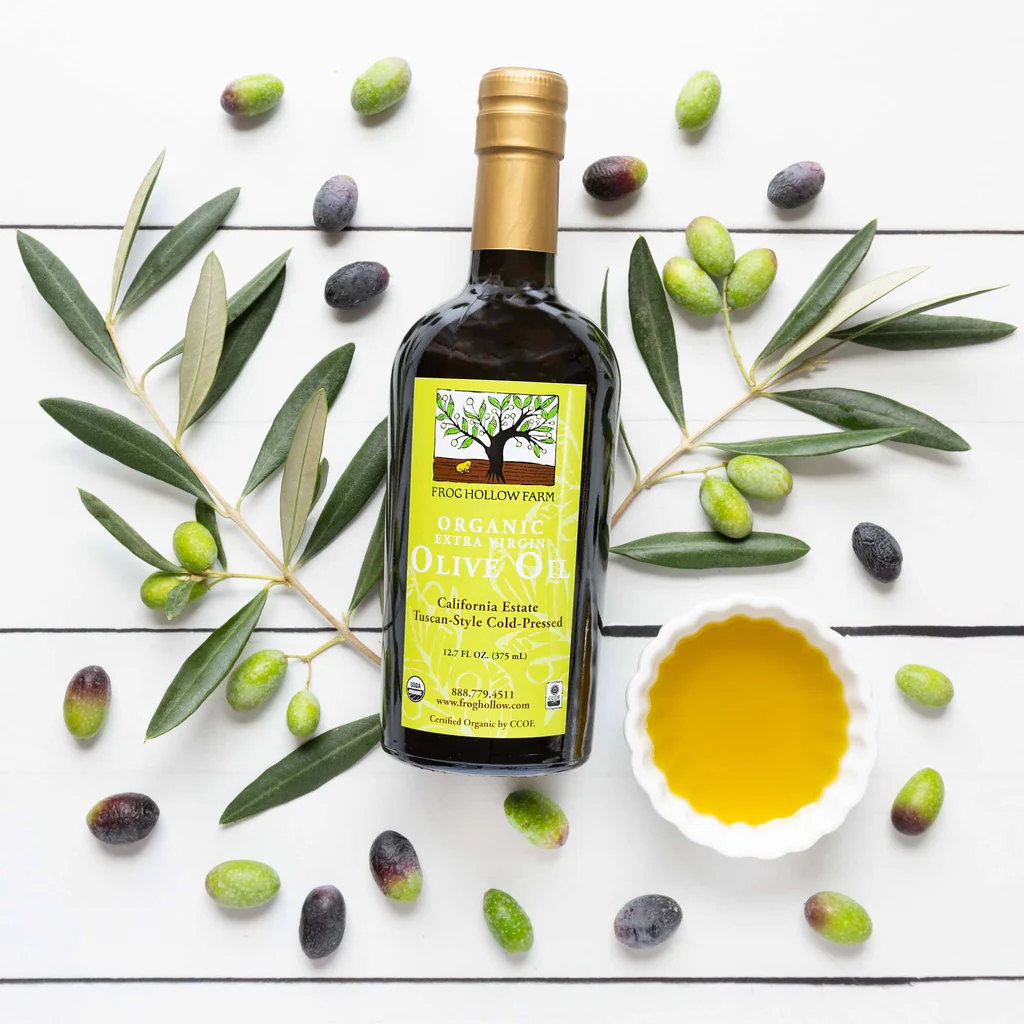
1. Olive Oil
- Health Benefits: Olive oil, especially extra virgin olive oil, is packed with heart-healthy monounsaturated fats, antioxidants, and anti-inflammatory compounds. Research has shown that replacing butter with olive oil can help lower LDL cholesterol and reduce the risk of cardiovascular disease.
- Best For: Sautéing, drizzling over salads, or using in cooking and baking (although it can have a strong flavor in some baked goods).
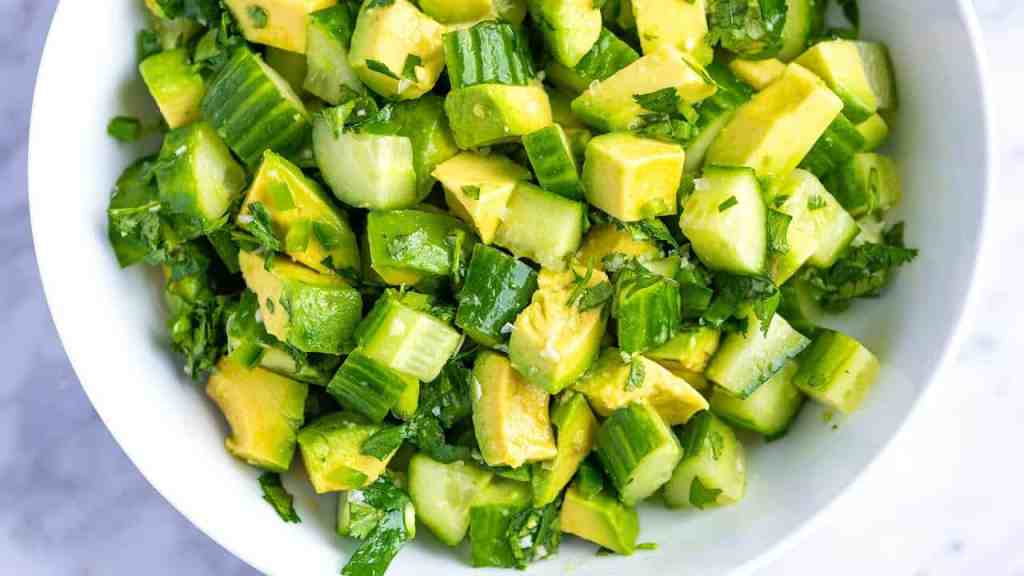
2. Avocado (or avocado oil)
- Health Benefits: Avocado is rich in monounsaturated fats, fiber, vitamins, and antioxidants. It can help improve cholesterol levels and reduce inflammation. Its creamy texture makes it an excellent substitute for butter in both savory and sweet recipes.
- Best For: Spreading on toast, baking (substitute half the butter with mashed avocado), or as a creamy addition to smoothies.
3. Coconut Oil
- Health Benefits: While coconut oil is high in saturated fat, it contains medium-chain triglycerides (MCTs), which are metabolized differently from long-chain saturated fats. Some research suggests MCTs can boost metabolism and aid in weight loss. However, it’s still important to use coconut oil in moderation.
- Best For: Baking, sautéing, and frying, especially for dishes with tropical flavors.
Shop some of our favorite products with coconut oil!
4. Ghee
- Health Benefits: Ghee is clarified butter, which means the milk solids and water are removed, leaving behind pure butterfat. This makes it lactose- and casein-free, making it easier to digest for people with lactose intolerance or dairy sensitivities. It also has a higher smoke point than regular butter, making it great for cooking at higher temperatures.
- Best For: Cooking at high temperatures, adding to curries, or as a substitute for butter in recipes.
5. Nut Butters (Almond, Peanut, Cashew)
- Health Benefits: Nut butters are rich in healthy fats, protein, vitamins, and minerals. They also provide fiber, which can help with satiety and digestive health. Choose unsweetened nut butters with no added oils or sugars for the healthiest option.
- Best For: Spreading on toast, adding to smoothies, or using in baking (nut butter-based cookies or cakes).
6. Yogurt or Greek Yogurt
- Health Benefits: Greek yogurt is rich in protein, calcium, and probiotics, which are good for gut health. It also provides a creamy texture similar to butter, making it an excellent substitute in baking and cooking.
- Best For: Baking, as a topping for baked potatoes or toast, or as a base for creamy dressings and dips.
7. Applesauce
- Health Benefits: Applesauce can be used as a low-fat substitute for butter in baked goods. It provides moisture and sweetness without the added fat. Opt for unsweetened applesauce to keep things healthier.
- Best For: Baking cakes, muffins, and other desserts. It’s an especially great substitute in recipes for moist cakes or cookies.
When to Use Butter
While there are plenty of butter alternatives out there, butter still has its place in a balanced diet—especially when used in moderation. The rich, savory flavor it imparts to certain dishes is hard to replicate, and when used sparingly, it can be part of a healthy diet.
Consider using butter for specific occasions, such as:
- Flavor and Texture: Certain recipes—like flaky pastry doughs or some cakes—benefit from the unique texture and flavor that butter provides.
- Savoring the Taste: If you love the taste of butter, try using it in small quantities, paired with other healthy fats (like olive oil) to reduce overall saturated fat intake.
Conclusion
So, is butter bad for you? The answer is not black and white. In moderation, butter can be part of a healthy diet, especially if it’s combined with other nutrient-dense foods. However, if you’re looking to reduce saturated fat intake or prefer a plant-based diet, there are many healthier alternatives that can provide similar flavor and texture without the drawbacks of butter.
Remember, the key is balance. Whether you choose butter, a healthier alternative, or a combination of both, aim to eat a variety of whole foods and healthy fats. Your overall diet and lifestyle matter more than any single ingredient.
What’s your go-to butter alternative? Share your favorites in the comments below!
Subscribe today for more information on clean, healthy living and exclusive promos and discounts!

Leave a Reply